
Teaching the Vital Skill of Self-Advocacy
We all want our children to become successful and reach their fullest potential. Accomplishing this goal is going to require help from endless amounts of people along the way. A parent, coach, or neighbor are just a few of the people who may support your child. As much as I wish I could read my boys’ minds to help know what they need, that isn’t possible. This is why it is so important to teach the skill of being a self-advocate to children.
As a father of two boys, there have been many times I did things for my sons and wondered “why did I just do that for them?” I have talked to my sons’ teachers and their coaches to relay information from my sons to them. But why? Why am I the one talking to their teachers and coaches? To be perfectly honest, in that moment it was easier. And quite truthfully, I wasn’t sure my boys would even do it. But when I really ask if it is easier, I start to question myself. Since I am not teaching my children the skill of being a self-advocate, I now have to be the one to express their needs and wants every time. Just like riding a bike or learning to read, self-advocacy is a skill that needs to be taught. And what better time than when they are young and have us there to help guide them along the way.
When trying to help your child be a self-advocate, the first thing you need to do is to help your child understand their specific needs. Say your child comes home and says math is too hard. This is not specific. Help your child dig a little deeper to find out specifically what he or she is struggling with. For example, you find out your child started to learn about fractions today at school and they don’t understand the concept. You try and help your child but quickly realize things are not taught the same way and that is not helping. What could you do in this situation to help your child become a self-advocate?
 The next
thing to address is teaching your child what kind of help would support their
need. Maybe you suggest going into
school a little early the next day to see if the teacher can help them. If your child is having a hard time waiting
until the next day, you can suggest them calling a friend in their class to see
if they can explain fractions to them.
But notice I said THEY call, not you.
Having them be the one to call their friend helps start the skill of
self-advocacy.
The next
thing to address is teaching your child what kind of help would support their
need. Maybe you suggest going into
school a little early the next day to see if the teacher can help them. If your child is having a hard time waiting
until the next day, you can suggest them calling a friend in their class to see
if they can explain fractions to them.
But notice I said THEY call, not you.
Having them be the one to call their friend helps start the skill of
self-advocacy.
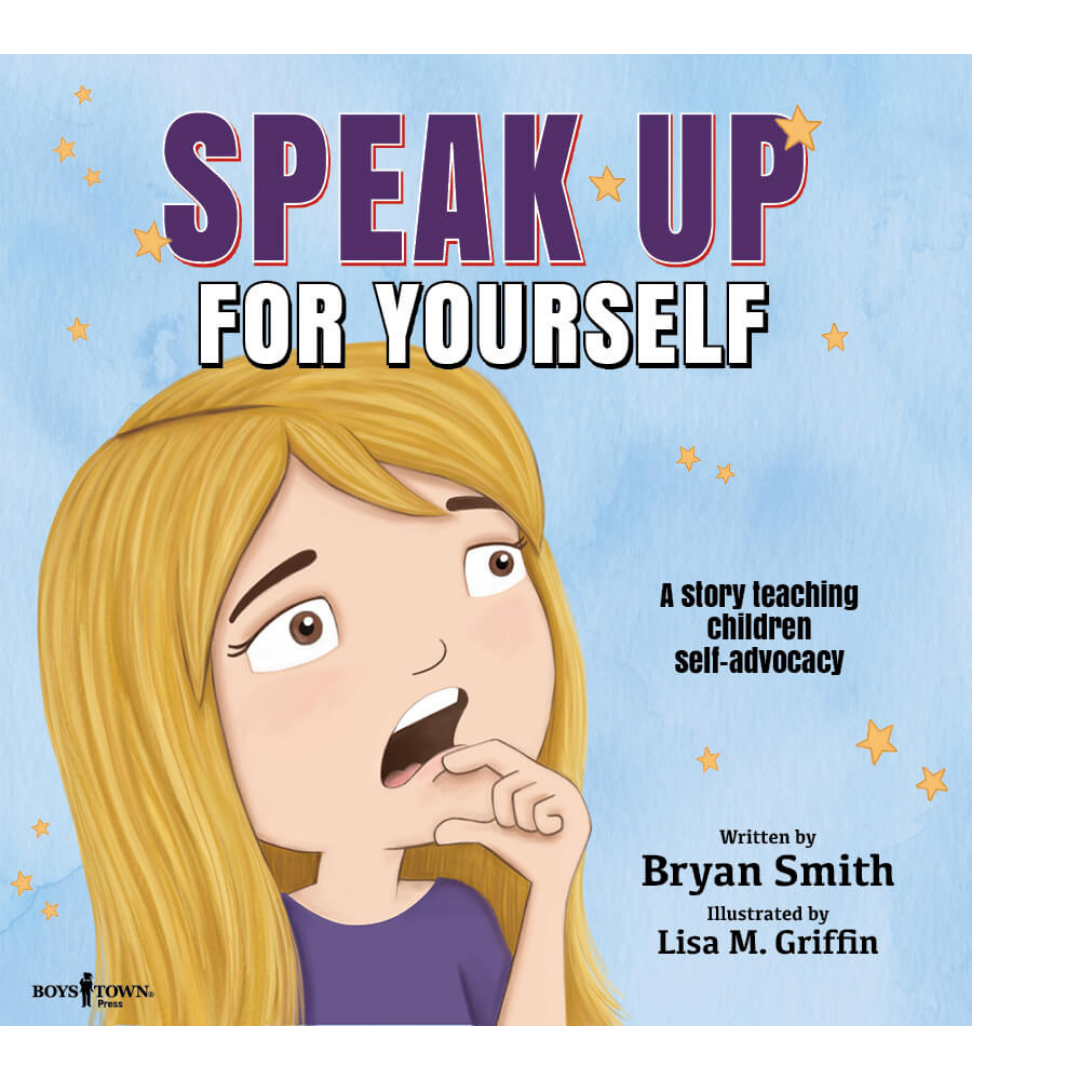
Having children communicate their needs and wants is the foundation for self-advocacy. Just like with anything, the more they do it the better they become. In no time your child can become the person who advocates for themselves. This is a skill that will benefit them the rest of their life. Your child will be equipped to face the many challenges they experience along the way. To help start the conversation of self-advocacy with your child, check out my book Speak Up for Yourself!
New on the Blog

Ask the Experts: Building Resilience and Confidence in Children
How can parents build resilience and confidence in their children? When our children experience big...

Uphill Reading: A Book of Encouragement for Tough Days
Most children begin a new school year feeling hopeful and excited. Okay, maybe “excited” is overstat...

Goodbye Summer, Hello Stress? Not So Fast
This isn’t just another back-to-school blog. Well, maybe it is. But only sorta. Here’s why… Back-to-...

Supporting Children’s Mental Health at Home, School, and Beyond
What does a “good day” look like for a child? For some kids, a good day means feeling calm instead o...

Valuing Differences: A Skill That Builds Respect, Relationships, and Belonging
Children and teens interact with many different people every day—at school, at home, and in their co...
3 Books That Celebrate Different Thinkers & Help Kids Thrive
Every child thinks, learns, and experiences the world a little differently. For some kids, those dif...