
Using Relaxation Strategies: A Skill That Supports Confidence, Focus, and Emotional Balance
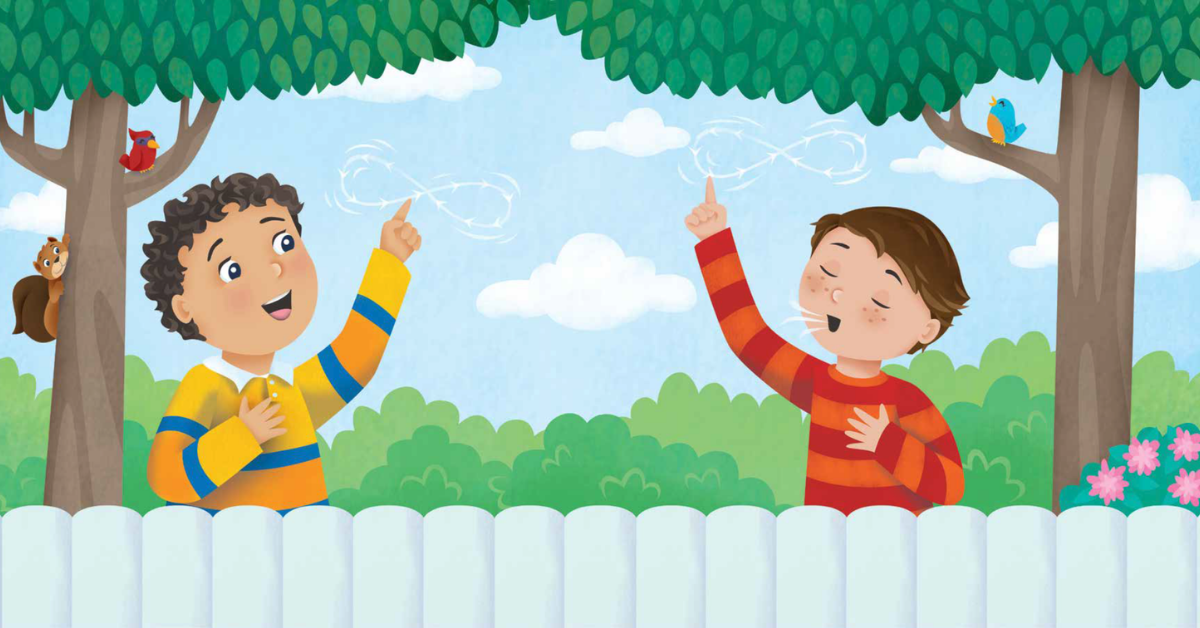
Stress is a normal part of growing up, but for many children it can feel overwhelming — especially during busy school seasons, social challenges, or moments of frustration at home. Teaching kids how to use relaxation strategies gives them a powerful tool they can rely on anytime their emotions start to intensify.
Relaxation isn’t just about calming down in the moment. It’s a lifelong skill that supports emotional regulation, improves concentration, and helps children approach situations with confidence rather than panic.
Why Relaxation Strategies Matter
Kids experience stress for many different reasons — tests, friendships, overwhelming schedules, sensory overload, unexpected changes, and more. Without effective coping tools, this stress can build quickly and result in meltdowns, avoidance, negative self-talk, or shutdowns.
When we teach children how to use relaxation strategies, we give them:
- A sense of control over big feelings
- Skills for self-soothing and grounding
- A healthier way to handle frustration, anxiety, or disappointment
- Techniques they can use independently at school or home
- A calmer starting point for problem-solving and communication
Just like any other social-emotional skill, relaxation strategies get stronger with practice. The more often kids use them, the more naturally they’ll be able to pause, breathe, and work through tough situations.
The Skill: Using Relaxation Strategies
These steps come from Teaching Social Skills to Youth, 4th Edition and offer children a clear, concrete way to settle their bodies and minds when stress begins to rise.
1. Breathe deeply and completely.
Slow, steady breaths send a signal to the brain that the body is safe. This slows the stress response and helps kids feel more in control. Encourage them to imagine “filling up a balloon” in their belly as they inhale.
2. Tighten and relax any tense body areas.
This step helps release physical tension. Kids can squeeze their hands into fists, raise their shoulders, or tighten their legs for three seconds and then let go. It’s simple, quick, and effective.
3. Instruct yourself to remain calm.
Positive self-talk plays a big role in managing stress. Kids can use phrases like:
- I can handle this.
- I’m okay.
- I just need a moment.
Talking to themselves in a steady, reassuring way helps quiet racing thoughts.
4. Visualize a relaxing scene.
Kids can picture themselves in a peaceful place — mountains, a quiet beach, a cozy room, or a favorite safe spot. Visualization engages the imagination and gives the brain something soothing to focus on.
5. At the first sign of increasing stress, say to yourself “3, 2, 1, relax” and continue breathing deeply.
This final step acts like a reset button. It reminds kids to slow down, breathe, and stay aware of how their body feels. The more often they use this cue, the more automatic it becomes.
How Adults Can Support This Skill
Kids are much more likely to use relaxation strategies when adults model and encourage them. Try:
- Practicing together during calm moments
- Pairing the skill with bedtime routines
- Adding visuals in classrooms or counseling spaces
- Prompting the steps before stressful events (tests, transitions, tough tasks)
- Celebrating small successes when children try the skill independently
Short, frequent practice sessions work best — even 2–3 minutes at a time can build strong habits.
Resources That Can Help
Boys Town Press offers a variety of books and materials that support emotional regulation, coping skills, and confidence-building. These resources can help reinforce the skill of using relaxation strategies through relatable characters, real-life examples, and practical teaching tools.
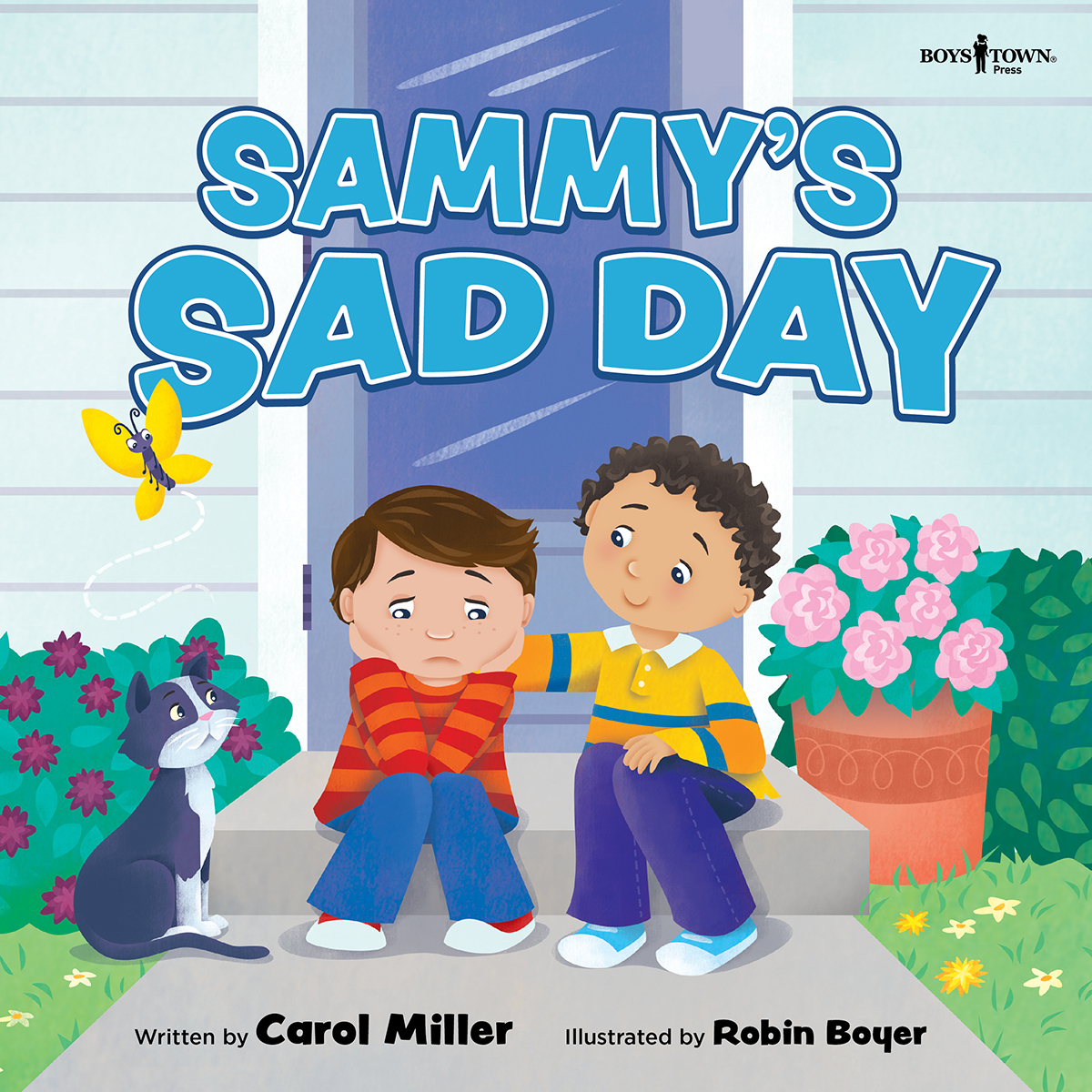 |
Sammy's Sad DayGrades PreK-4 | $11.95 Help children recognize their feelings and use healthy coping strategies on difficult days. |
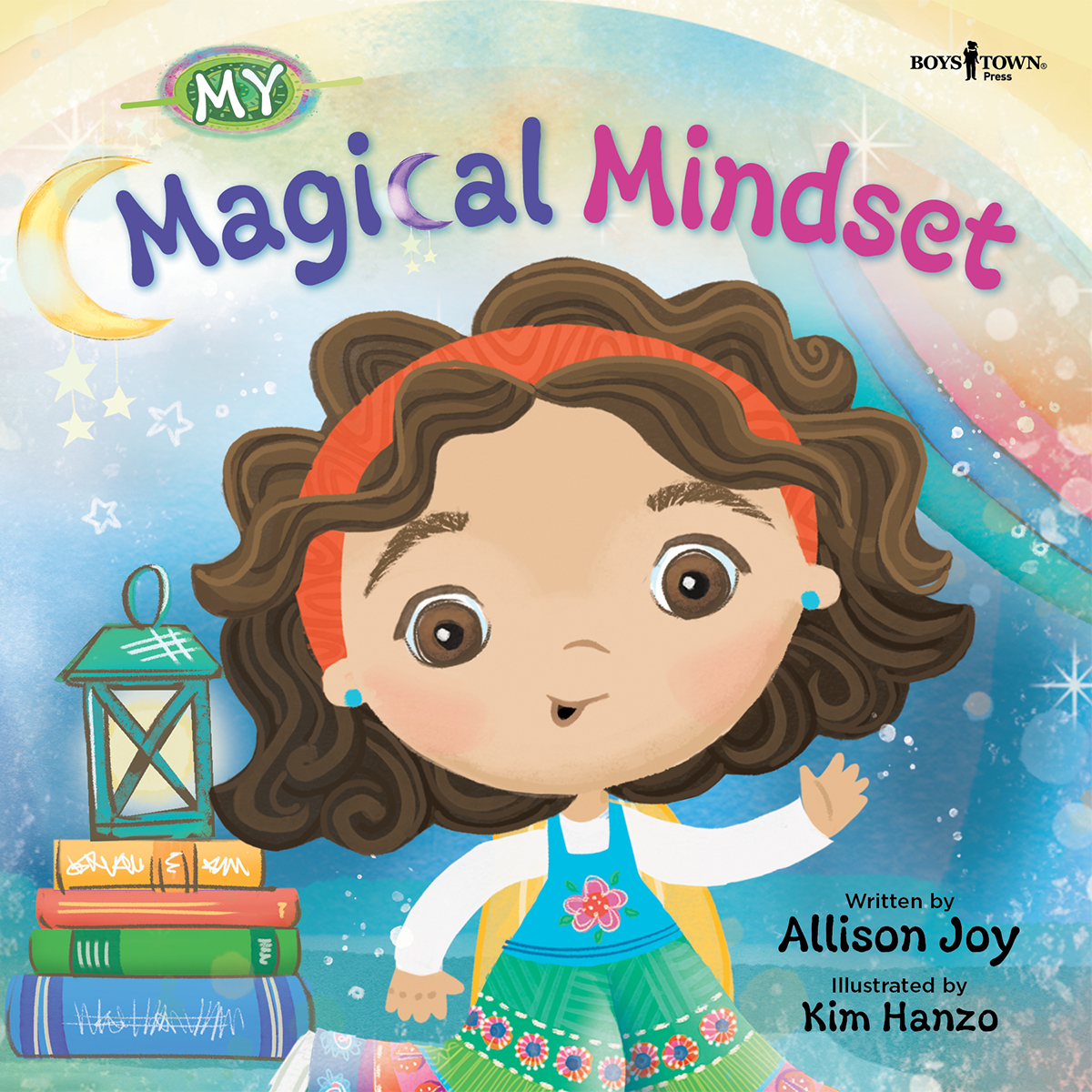 |
My Magical MindsetGrades PreK-4 | $11.95 Teach kids the power of positive self-talk and calming techniques. |
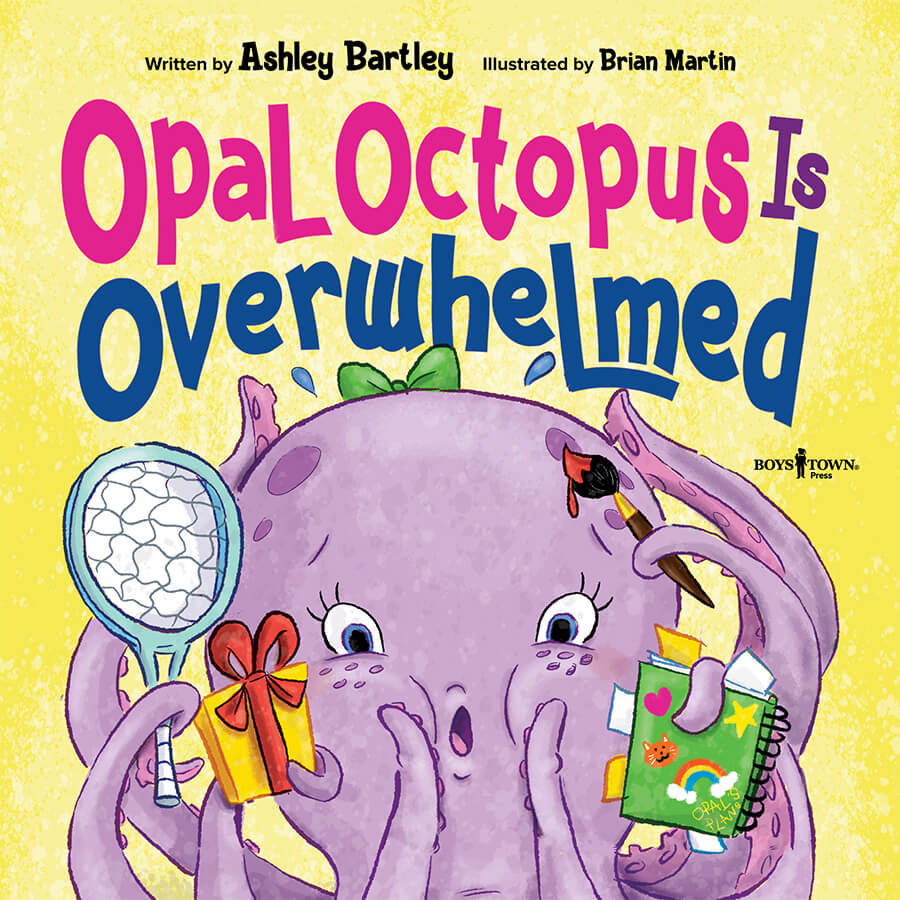 |
Opal Octopus Is OverwhelmedGrades PreK-6 | $10.95 Help young children R.E.S.E.T. and destress, so they have time for fun. |
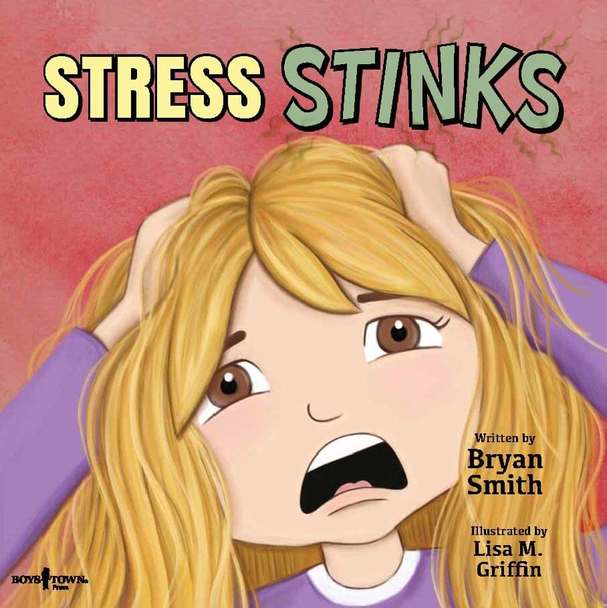 |
Stress StinksGrades K-6 | $10.95 Teach kids simple ways to calm their bodies and minds when feeling stressed. |
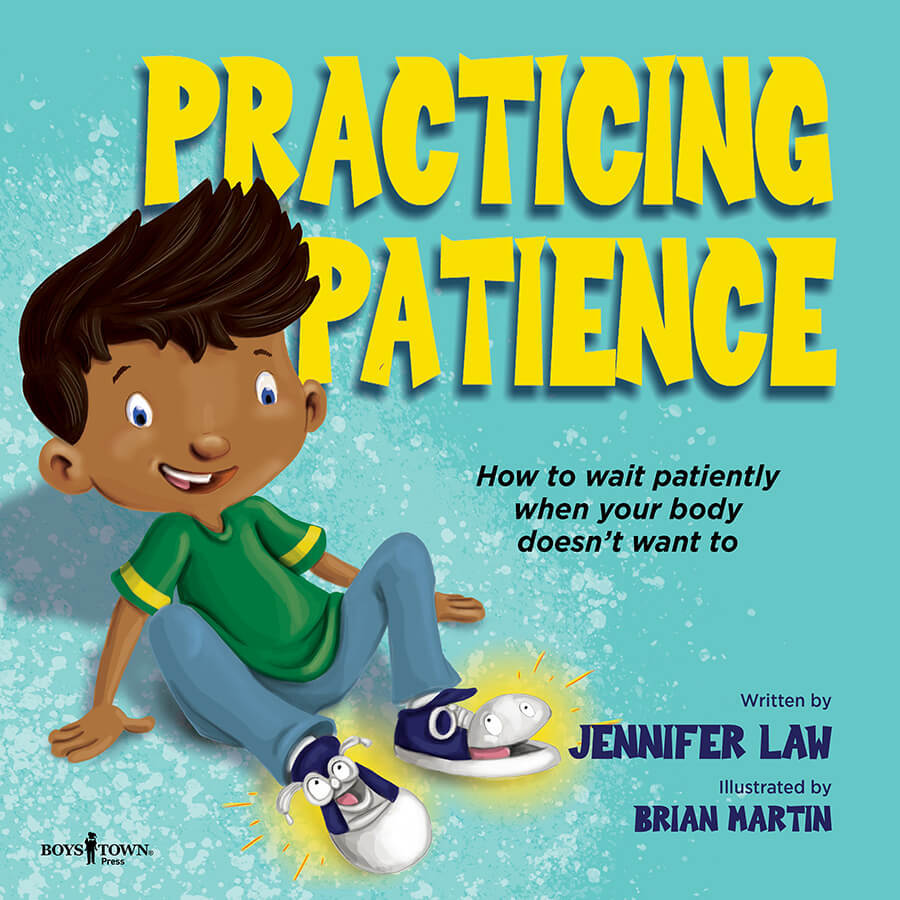 |
Practicing PatienceGrades K-5 | $10.95 Show children how waiting calmly can make tough moments easier to handle. |
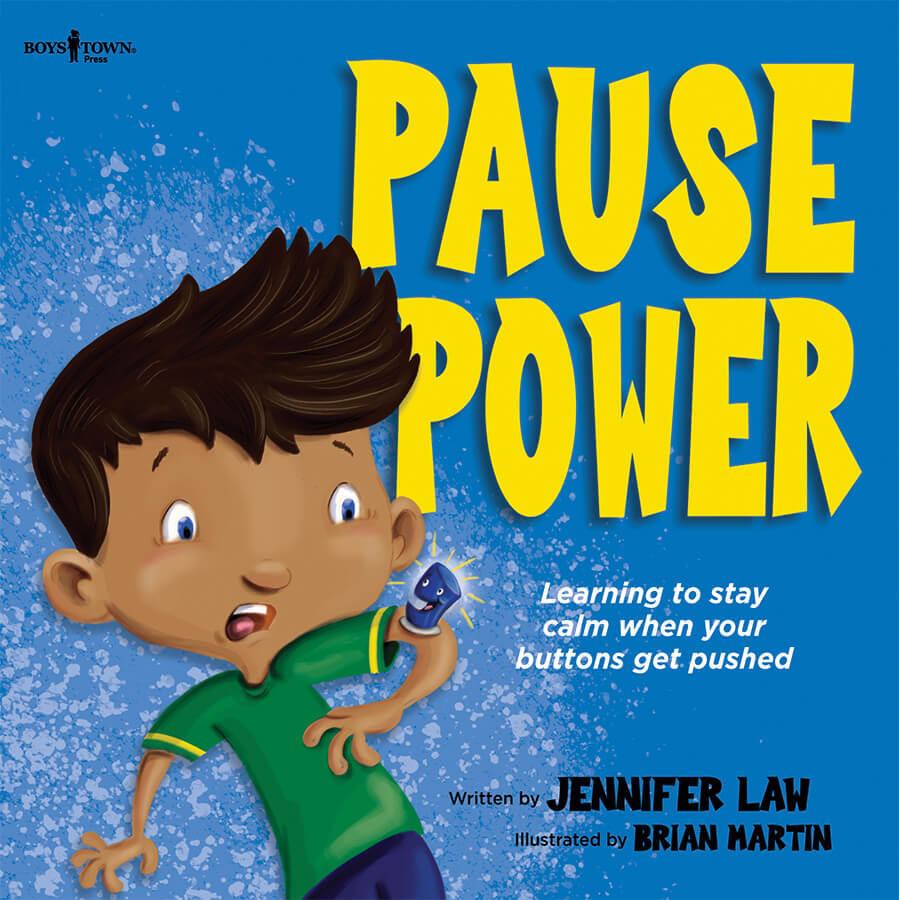 |
Pause PowerGrades K-5 | $10.95 A kid-friendly guide to stopping, breathing, and thinking before reacting. |
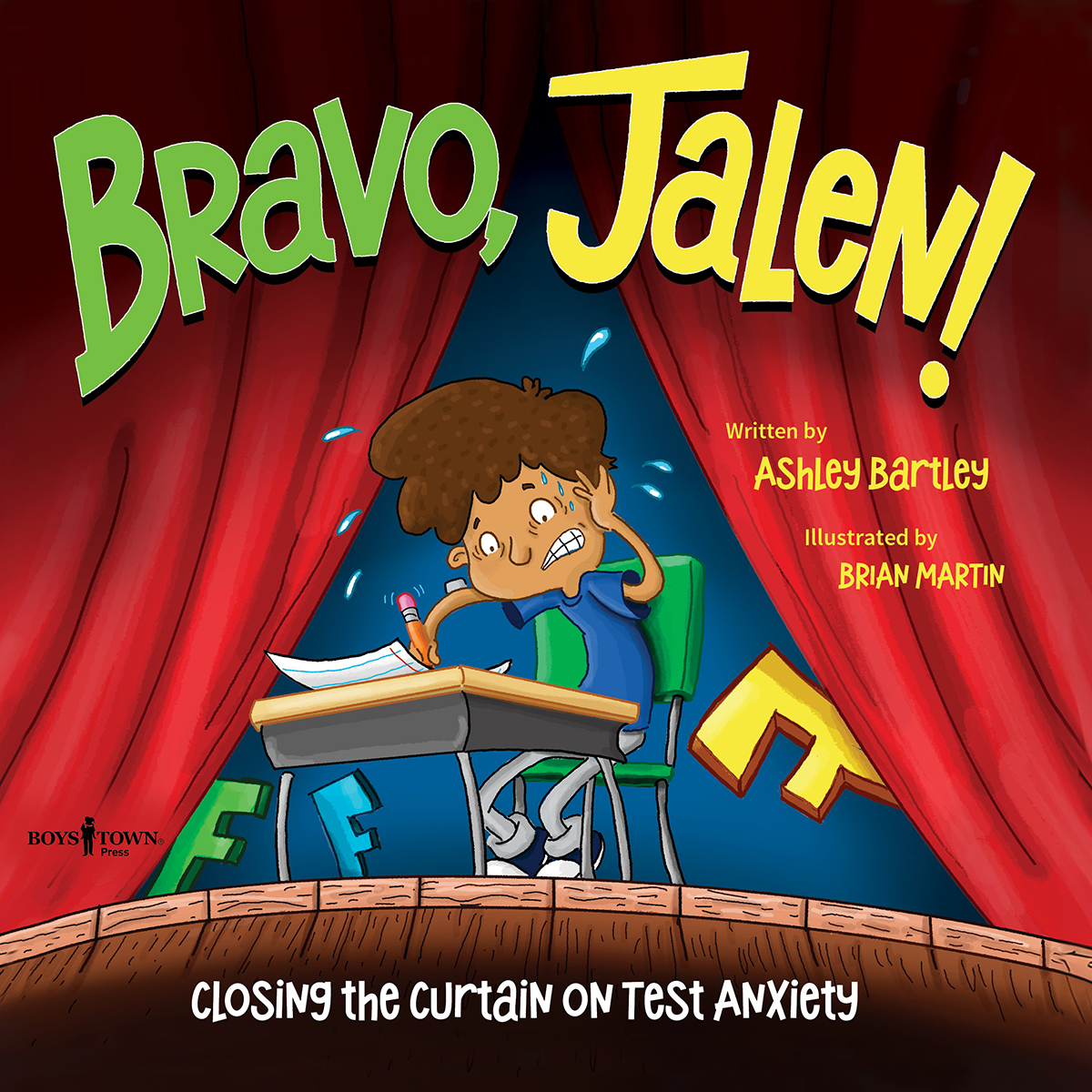 |
Bravo, Jalen!Grades 1-6 | $11.95 Help children overcome test anxiety with calm breathing, positive thinking, and courage. |
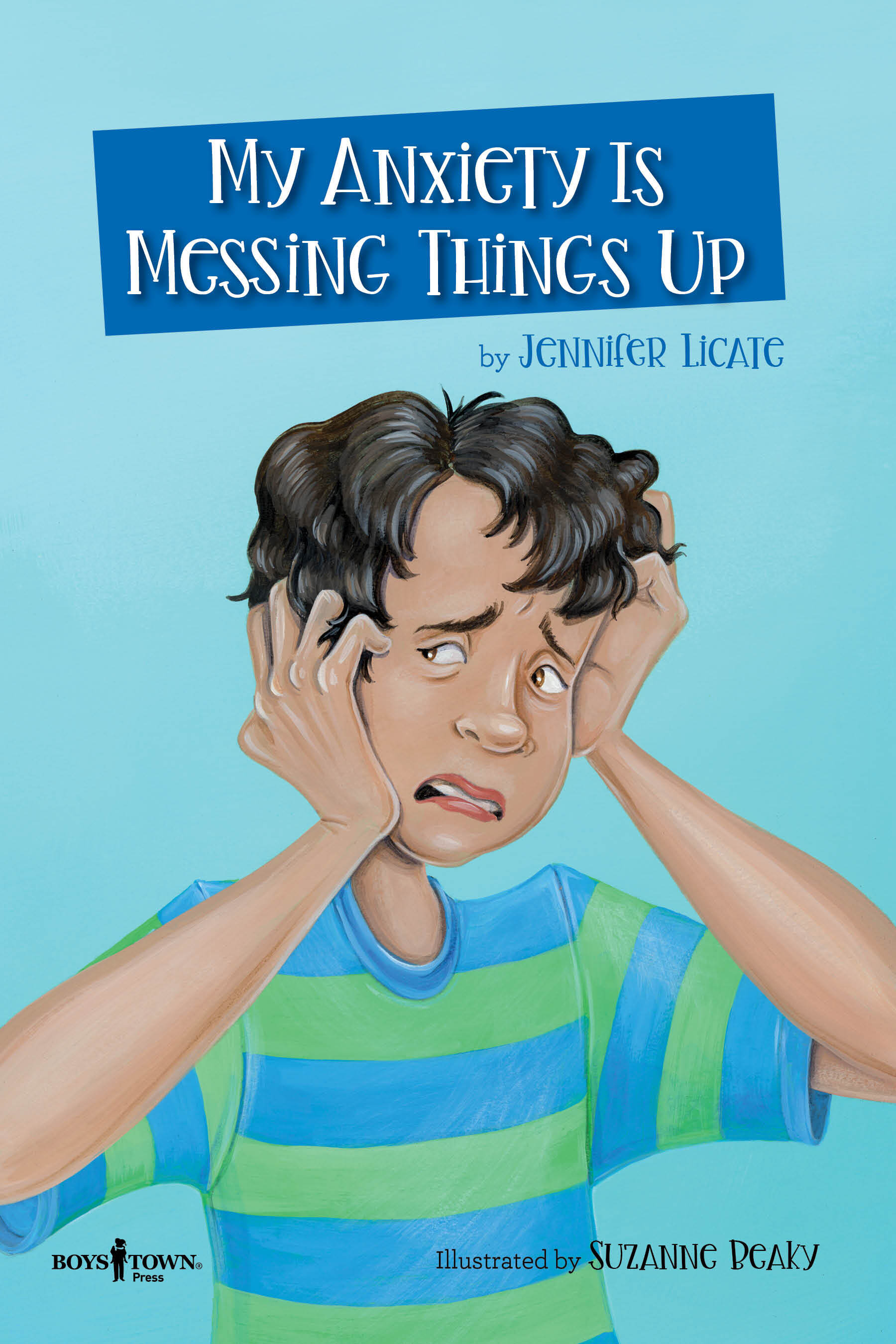 |
My Anxiety Is Messing Things UpGrades 4-8 | $12.95 Normalize anxiety in middle school students using practical and realistic examples and strategies. |
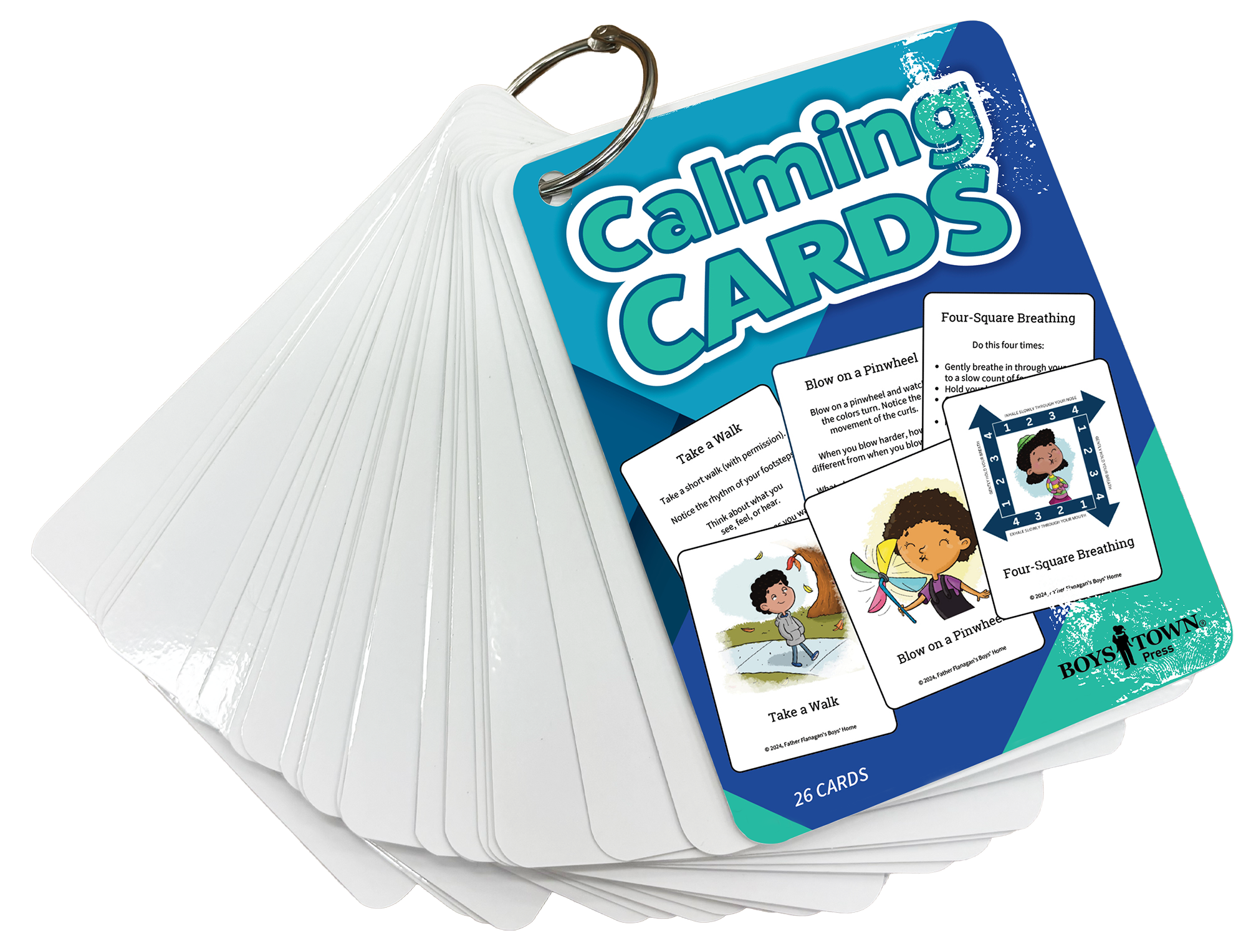 |
Calming CardsGrades PreK-6 | $12.95 A deck of quick, kid-friendly prompts that help children reset, refocus, and find calm. |
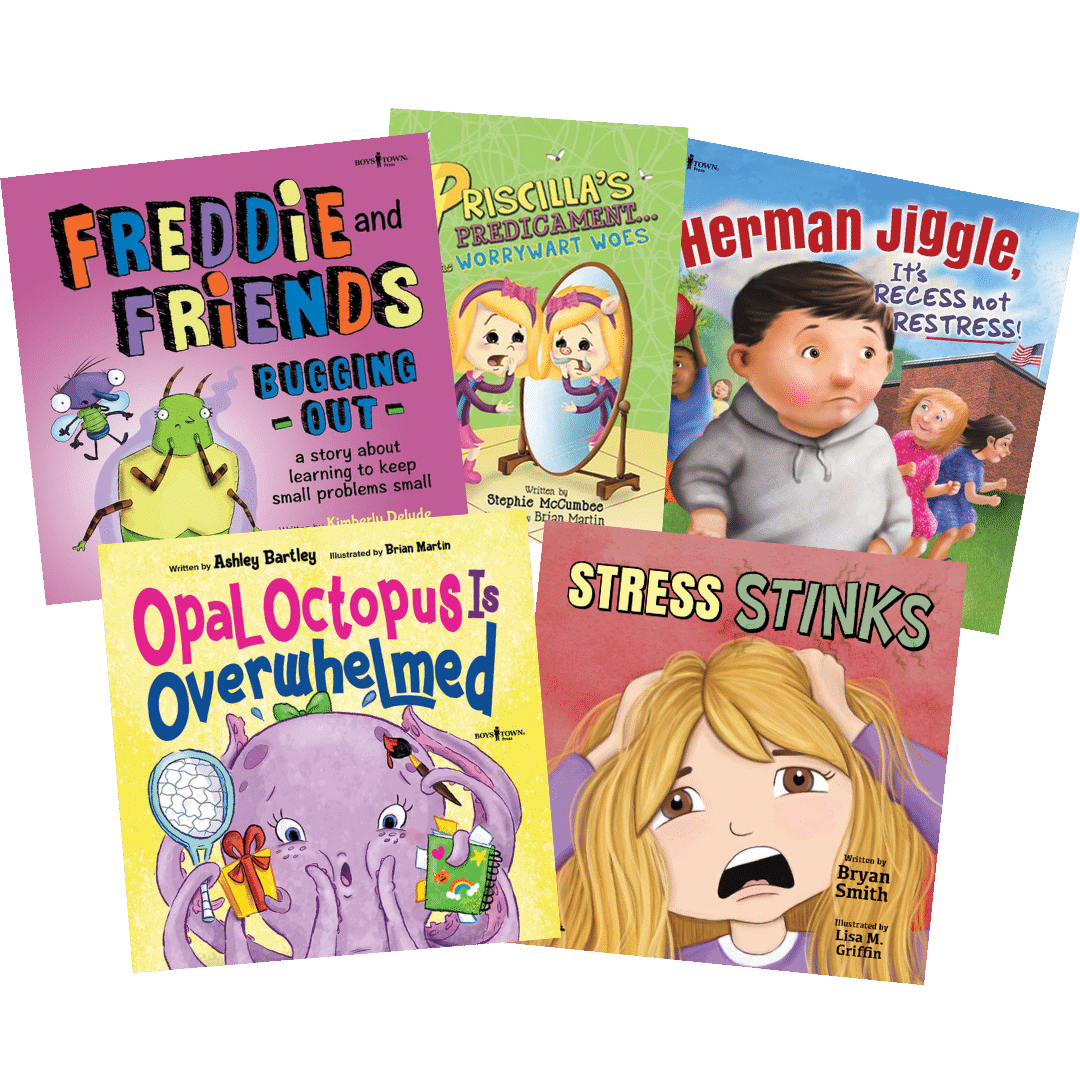 |
Coping with Stress Book BundleAges 5-11 | $45.40 A curated set of stories that teach kids how to recognize stress and use practical strategies to manage it. |
New on the Blog
Using Relaxation Strategies: A Skill That Supports Confidence, Focus, and Emotional Balance
Stress is a normal part of growing up, but for many children it can feel overwhelming — especially d...
From Stress to Success: Mindful Tools Kids Can Use During Test Season
Test season can stir up a lot of emotions for kids—excitement, worry, pressure, or even fear of let...

Helping Kids Build Empathy: A Skill That Strengthens Friendships, Classrooms, and Families
Empathy is one of the most important social-emotional skills children can learn. When kids understan...
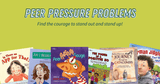
6 Books to Help Handle Peer Pressure
Peer pressure is something every child will encounter at some point - whether it’s subtle encourag...
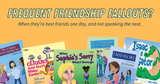
6 Books to Help Kids Navigate Friendship Fallouts
Friendship can be tough. These books help kids handle it. Written by school counselors and packed...

7 Key Steps to Building Self‑Determination for Success
Self‑determination plays a huge role in how we set goals, stay motivated, and bounce back when thing...