
Valuing Differences: A Skill That Builds Respect, Relationships, and Belonging
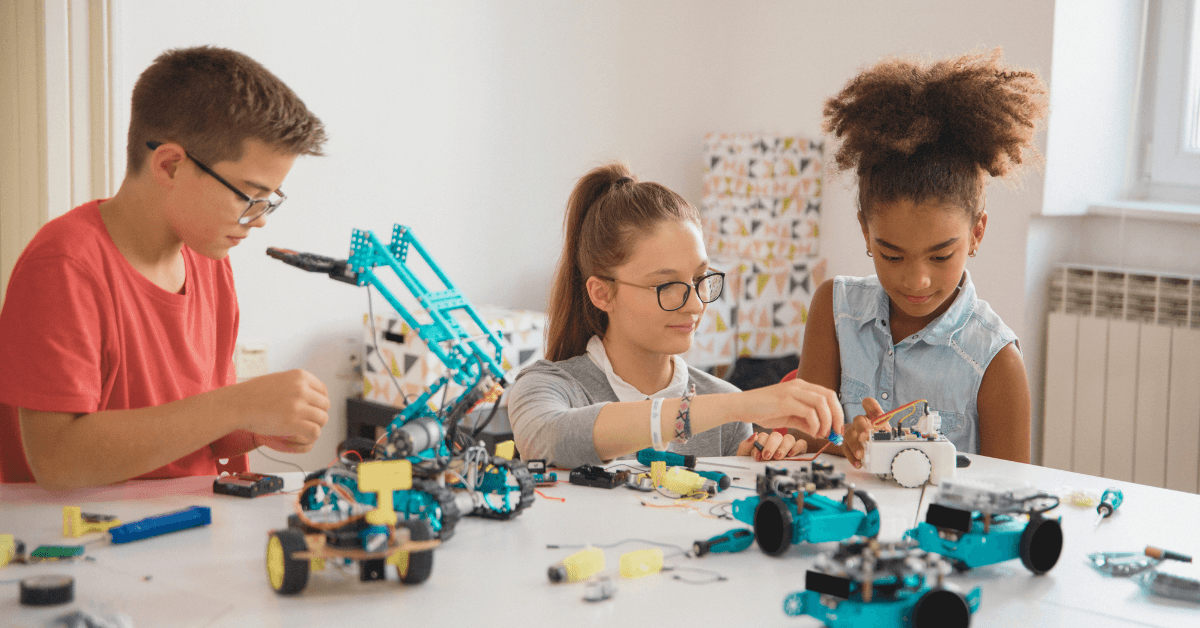
Children and teens interact with many different people every day—at school, at home, and in their communities. Learning how to value differences helps young people build stronger relationships, resolve conflicts respectfully, and feel a greater sense of belonging. This social skill supports empathy, cooperation, and emotional growth, especially in diverse classrooms and social settings.
Valuing Differences is a complex social skill that teaches children how to recognize what they have in common with others, respect what makes each person unique, and grow from those differences.
Why Valuing Differences Matters
Children who struggle to accept differences may withdraw socially, act out toward peers, or make unkind judgments. Teaching this skill helps young people pause, reflect, and respond thoughtfully instead of reacting emotionally.
When children learn this skill, they become better equipped to:
- Build positive peer relationships
- Work effectively in groups
- Reduce conflict and misunderstandings
- Show empathy and acceptance
- Learn from people who are different from them
Like all social skills, valuing differences improves with intentional teaching, modeling, and practice.
The Skill: Valuing Differences
Use the following five steps to help children and teens understand and practice this important skill:
1. Examine the similarities between you and another person.
Encourage children to first look for common ground. Similar interests, goals, experiences, or feelings can help build connection and reduce tension. Identifying similarities makes it easier to approach others with openness and respect.
2. Take note of your differences.
Next, help children notice how people may think, communicate, or act differently. Emphasize that differences are normal and expected—not something to avoid or criticize.
3. Focus on the interests, traits, and activities you share.
Guide children to return their attention to shared traits or activities. This step reinforces connection and reminds them that differences do not cancel out similarities.
4. Express appreciation and respect for the person as an individual.
Teach children to use respectful words and actions to show acceptance. This may include listening without interrupting, using kind language, or acknowledging someone else’s perspective.
5. Identify or demonstrate how you can learn and grow by embracing these differences.
Finally, help children reflect on what they can gain from the interaction. Differences can offer new ideas, skills, or ways of thinking—and seeing them as opportunities encourages growth and learning.
How Adults Can Support This Skill
With consistent guidance and practice, children can learn that differences make relationships stronger and communities richer. To build this skill together:
- Model respectful behavior. Children learn by watching adults handle differences calmly and respectfully.
- Use teachable moments. Address conflicts or misunderstandings by walking through the steps together.
- Practice with role-play. Act out scenarios where children can apply the skill in a safe environment.
- Use reflective questions. Ask questions like, “What did you and that person have in common?” or “What could you learn from them?”
- Reinforce effort. Praise children when they show respect, curiosity, or openness toward others.
Teaching this skill helps children build confidence, strengthen relationships, and develop the empathy they need to thrive—now and in the future.
Resources That Can Help
New on the Blog

Ask the Experts: Internet Safety for Elementary-Age Children
What are some simple internet safety rules every elementary-age child should know? In today’s digita...

Turn Awareness into Action: Why Dyslexia & ADHD Awareness Month Matters
With the school year now in full swing, what are you noticing? October is often when behavior an...

Ask the Experts: Building Resilience and Confidence in Children
How can parents build resilience and confidence in their children? When our children experience big...

Uphill Reading: A Book of Encouragement for Tough Days
Most children begin a new school year feeling hopeful and excited. Okay, maybe “excited” is overstat...

Goodbye Summer, Hello Stress? Not So Fast
This isn’t just another back-to-school blog. Well, maybe it is. But only sorta. Here’s why… Back-to-...

Supporting Children’s Mental Health at Home, School, and Beyond
What does a “good day” look like for a child? For some kids, a good day means feeling calm instead o...